
Can Dogs Eat Apples? The Juicy Truth About Sharing With Your Pup
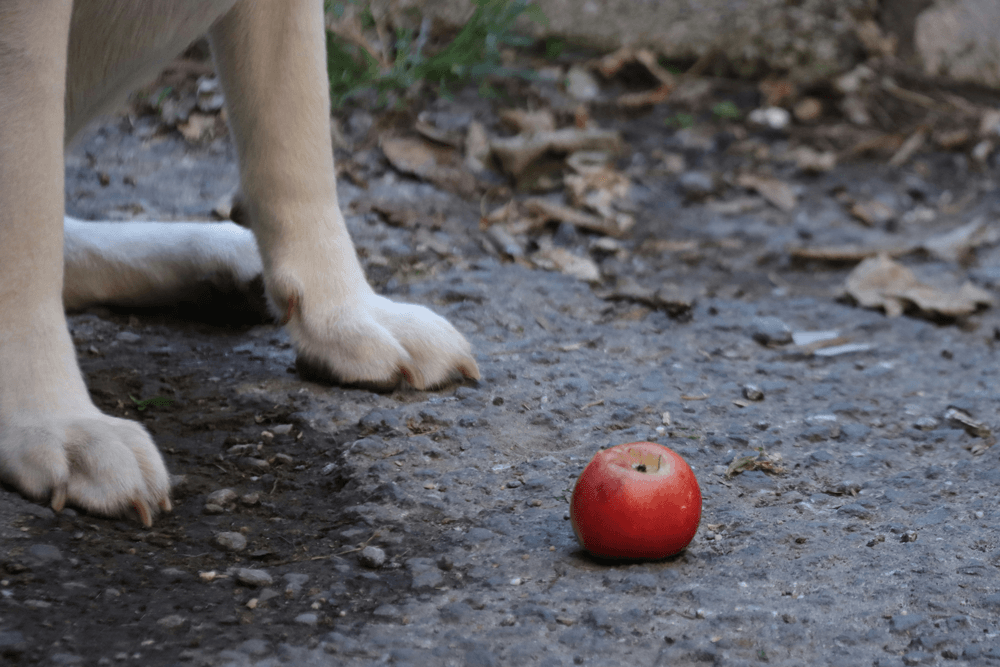
We’ve all heard the old saying that an apple a day keeps the doctor away. But if you’re sitting on the couch crunching your way through a crisp Gala or Granny Smith, you’ve maybe looked down to find a pair of soulful puppy dog eyes tracking your every bite. It begs the ultimate question for pet parents everywhere: Can dogs eat apples, too? Or will it mean a sudden trip to the vet?
The short answer is a resounding yes! But before you go tossing a whole apple into the backyard for your furry best friend, there are a few important rules of the road to make sure this healthy snack doesn't turn into a tummy ache. Let’s break down the core facts about feeding apples to dogs.
An Apple A Day Keeps The Vet At Bay: Why Apples Are Great for Your Pup
When it comes to sharing human foods, apples are actually one of the best fruit choices you can make for your dog’s diet. Packed with crisp goodness, most dogs absolutely love the texture. It’s a crunchy treat that satisfies their urge to chew while packing a serious nutritional punch.
Apples are loaded with vitamin A and vitamin C, which are fantastic for supporting your dog's health, boosting their immune system, and keeping their skin glowing. They are also high in dietary fibre, which helps keep your dog's digestive system moving along smoothly.
Even better? They are incredibly low in fat and protein. For pups who are watching their figure or managing their calorie intake, apples make a wonderful alternative to heavy, store-bought biscuits. It’s a guilt-free way to reward your dog while maintaining a healthy weight. Plus, that natural crunch can actually help clean your dog's teeth by gently scraping away plaque as they chew. Talk about a multi-tasking snack!
Can Dogs Eat Green Apples vs. Red Apples?
You might be wondering if the colour of the apple matters when you're perusing the grocery store aisles. Can puppies eat apples that are a bit more tart, or should you stick to the sweet stuff? Are dogs picky about their apple choices, despite having limited colour vision?
Can Dogs Eat Green Apples?
Yes, dogs eat green apples all the time! However, because green apples are naturally more tart and contain a bit more acid than their red cousins, dogs can sometimes prefer red varieties for their sweetness. If you notice your dog loves to eat green apples, just introduce them slowly to make sure they don't get any temporary digestive upset.
Can Dogs Eat Red Apples?
Absolutely. Red varieties like Fuji, Gala, or Honeycrisp are generally a huge hit because of their higher natural sugars. They are a sweet, nutritious treat that dogs can eat safely, provided you prep them correctly to prevent an upset stomach.
Can Dogs Eat Apples with Skin?
This is a super common question. When you are getting ready to serve apples, do you need to break out the peeler? The good news is that dogs eat apple skin perfectly well. In fact, the apple skin houses a lot of the beneficial fibre and vitamins A and C we talked about earlier. However, a dog's stomach can sometimes find large amounts of peel a bit tough to break down. To keep things safe, just make sure the skin is attached to small slices or apple pieces rather than feeding long, stringy peels on their own.
The Danger Zone: Can Dogs Eat Apples With Cores and Seeds?
While the flesh of the apple is a great treat, the centre of the fruit is a completely different story. This is where we need to exercise a little caution to safely feed apples to our four-legged friends.
Can Dogs Eat Apple Cores?
You should never let your dog eat apple cores. The core is incredibly tough, fibrous, and represents a significant choking hazard, especially for small dogs. If swallowed whole, apple cores can easily cause a dangerous blockage in your dog's intestinal tract. Always remove the core entirely before sharing.
Can Dogs Have Apple Seeds?
You'll want to be careful that your dog doesn't ingest apple seeds. Why? Because apple seeds contain a compound called amygdalin, which releases cyanide when chewed and digested. Now, don't panic if your dog accidentally snaps up a few seeds that fell on the kitchen floor. The amount of cyanide is minuscule, and they would need to crunch through large quantities of seeds to actually suffer from toxicity. Still, the risks of feeding apples with the seeds intact just aren't worth the discomfort. It’s always best to ensure your dog’s apples are completely seed-free.
How to Prepare Apples for Your Dog
Ready to treat your pup? Here is the best way to prepare apples for a happy, healthy snack time:
- Wash thoroughly: Just like with many fruits, make sure to wash the apple to remove any pesticides or residues.
- Core and seed: Cut around the centre and throw away the core, and ensure your dog won’t eat apple seeds.
- Slice it up: Cut the dog's apple slices into bite-sized cubes.
- Keep it moderate: Remember that apples are an occasional treat, not a meal replacement. They should only make up a small percentage of a balanced diet. If you're wondering how many apples to give, a few small cubes for a small breed or a few slices for a larger dog is plenty.
Fun Ways to Serve Apples
If you want to spice things up, you can stuff a few apple chunks inside a toy mixed with a little dog-friendly peanut butter for a brain-boosting challenge. On a hot summer day, freezing apple slices creates a wonderfully refreshing, cool reward.
You can also let your dogs eat applesauce, provided it is unsweetened applesauce with no added sugars or artificial sweeteners like xylitol (which is highly toxic to dogs). A spoonful of applesauce over their regular kibble is a fantastic way to introduce new foods to an older dog who might struggle to chew the crunchy bits.
Just steer completely clear of apple pie filling or baked goods, as these apple-based foods are loaded with spices, sugars, and fats that will absolutely lead to stomach upset.
Glowing From the Inside Out
At Glow Groom™, we are all about that holistic, inside-out approach to your pet's diet. Incorporating fresh apples into your dog's routine is an awesome way to provide balanced nutrients, support healthy skin, and keep them engaged with fun textures.
But as any pet parent of a light-coated breed knows, a healthy diet is only one piece of the puzzle. If you are feeding your pup premium foods and crisp, healthy treats, but you're still battling those stubborn, rusty tear stains under their eyes, it might be time to look a little deeper.
While the antioxidants in other fruits and apples do wonders for general well-being, our specialised Glow Groom™ Tear Stain Supplement is specifically formulated to target the internal tear-staining triggers from the inside out. With proper dosages coupled with a nutrient-rich, whole-food diet, we can make sure your dog's eyes stay just as bright and clear as their beautiful, glossy coat.
So go ahead and share a slice of your apple today, just hold the seeds, skip the core, and let them enjoy the crunch!

 © 2026 | Glow Groom Australia