Dog Eye Allergies vs Infection: How to Tell the Difference
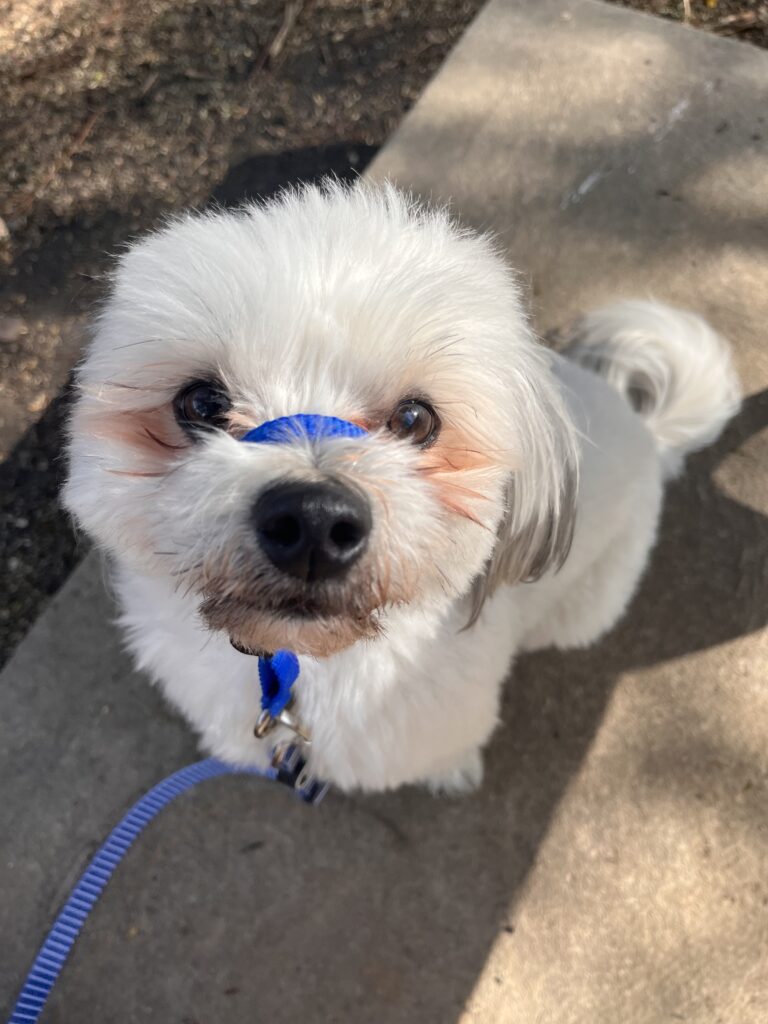
Noticing unusual discharge, eye redness, or excessive tearing around your dog's eye can cause pet parents understandable concern. Many pet owners first notice something is amiss when dark reddish-brown tear staining begins forming or worsening along the facial fur.
While localised tear staining itself is common in many breeds, observing your dog's symptoms can help you spot when tear stains may point to an underlying issue, such as seasonal allergies or a bacterial eye infection.
Understanding the key differences when evaluating a dog eye infection vs allergies helps dog owners monitor their pet's health, though any sudden changes or persistent eye discomfort warrant prompt veterinary attention.
What Are Dog Eye Allergies?
Just like in people, common allergens present in a dog’s environment can trigger an allergic reaction. During this allergic response, the dog’s immune response causes the delicate tissues around the eye to become inflamed.
Common Causes of Eye Allergies in Dogs
A dog's exposure to airborne particles can trigger sudden allergy flare-ups.
Environmental allergies and seasonal allergies are often caused by tree pollen, grass, mould spores or airborne irritants like cigarette smoke.
Indoors, dust mites and household cleaning products are frequent triggers.
Other sources can include contact allergies from bedding, flea saliva or food allergies caused by sensitivities to specific food ingredients.
Common Allergy Signs and Symptoms
When your pet suffers from dog eye allergies, the immune system produces clear, watery discharge and watery eyes. You might also notice secondary allergy symptoms across the dog's skin, such as a runny nose, constant licking of the dog's paws, itchy skin and general skin irritation or recurrent ear infections.
When environmental factors trigger skin allergies, irritated skin and other skin problems often accompany eye symptoms.
What Is a Dog Eye Infection?
An eye infection occurs when harmful bacteria, viruses, fungi or other infectious organisms invade the eye or surrounding tissues.
While eye allergies typically affect both eyes, an infection may start in one eye.
Causes of Ocular Infections
Secondary infections can develop when the eye surface is damaged or compromised. Common triggers include a foreign object trapped under the eyelid, self-trauma from vigorous scratching, a corneal ulcer or underlying conditions where the body does not produce enough tears to naturally flush away contaminants.
Identifying Infection Discharge and Pain
Unlike the clear fluid seen with eye allergies, an infection typically produces thick discharge, including yellow or green material that crusts around the eyelids.
Dogs experiencing an infection often display clear signs of eye discomfort, such as excessive blinking, squinting, holding the eye shut or showing extreme sensitivity to bright light.
Dog Eye Allergies vs Infection: Key Differences
Comparing the primary characteristics of dog eye allergies vs infection can help you understand the signs to watch for, though only your vet can confirm the cause:
| Feature | Dog Eye Allergies | Dog Eye Infection |
|---|---|---|
| Discharge Type | Thin, clear, watery discharge | Thick discharge, cloudy, yellow or green material |
| Affected Area | Typically both eyes simultaneously | Can start in one eye |
| Behavioural Clues | Face rubbing, paw licking, head shaking | Squinting, keeping eye closed, guarding head |
| Associated Signs | Sneezing, runny nose, itchy skin | Swollen eyelids, noticeable pain, foul odour |
At-Home Care and What to Avoid
If you notice mild eye irritation or eye discharge, you can gently wipe away surface debris using a damp, clean, soft cloth or sterile cotton pad. However, strict safety precautions must always be followed when handling a dog's eye.
Important Safety Warning: Never administer human eye drops, topical steroids or unprescribed medicated eye drops without direct veterinary instructions.
Using improper medication on an undiagnosed eye condition, especially if a corneal ulcer is present, can cause severe complications or permanent sight loss. If you’re unsure what’s causing the irritation, leave any flushing, including with an eye wash, until your vet has examined the eye.
When to See a Vet
Because ocular issues can progress from mild irritation into severe allergic reactions or chronic inflammation, or longer-term problems such as chronic inflammation, seeking veterinary guidance is essential whenever symptoms persist.
Contact your veterinarian immediately if you observe any of the following red flags:
- Cloudiness over the cornea or visible scratches suggesting a corneal ulcer.
- Rapidly worsening thick discharge containing yellow or green material.
- Persistent squinting, swelling or clear signs of severe ocular pain.
- Any eye symptoms that persist beyond a day or two, or keep coming back.
During a veterinary examination, your vet may perform diagnostics such as a Schirmer tear test to measure natural tear production, check intraocular pressure, run blood tests or perform allergy testing. If tear production is low, your vet may prescribe artificial tears or other treatment.
Long-term options for allergy treatment may include an elimination diet or allergen-specific immunotherapy (allergy shots).
Managing Tear Stains After Eye Irritation
Once your veterinarian has ruled out or resolved active medical issues like infections or structural damage, you may still be left managing lingering facial staining caused by excessive fluid runoff.
When excessive tearing continually wets the fur, naturally occurring porphyrins in tears react with light and oxygen, causing dark reddish-brown tear staining beneath the eyes and along the muzzle.
For pets prone to ongoing tearing due to facial structure, sensitivities or environmental triggers, Glow Groom™ provides a natural dietary supplement formulated to offer nutritional support from within.
Glow Groom™ is designed to reduce the development of new tear stains, helping you to avoid daily facial scrubbing or harsh topical cleansers.
Dog Eye Allergies vs Infection - Frequently Asked Questions
Can dog allergies turn into an eye infection?
Yes. When environmental allergens trigger an allergic reaction and intense itching, a dog may rub their face against furniture or scratch with their paws. This direct contact and self-trauma can introduce bacteria or cause micro-scratches on the surface of the eye, leading to secondary infections.
What are the common signs that differentiate allergies from infections?
The most common signs of dog allergies include thin, clear, watery eye discharge occurring alongside respiratory symptoms like sneezing or a runny nose, as well as a general skin condition symptom like itchy paws or inflamed skin. In contrast, eye infections usually produce thick yellow or green discharge, swelling, severe squinting and localised pain.
Is it safe to use human eye drops on my dog's eye?
No. You should never use human eye drops or medicated solutions on a pet without explicit veterinary instructions. Many human formulations contain ingredients that can be toxic or damaging to a dog's eye, particularly if an unobserved corneal ulcer is present.
How does veterinary treatment differ for allergies versus infections?
Veterinary treatment depends on the underlying cause of an eye infection, but frequently involves targeted antibiotic or antiviral eye drops or ointments to clear the pathogens. Conversely, managing dog allergies focuses on reducing exposure to environmental allergens and may include antihistamines, a special diet or allergen-specific immunotherapy under strict veterinary guidance.
Can a dog's skin condition or allergy affect their eyes?
Yes. Systemic dog allergies often manifest across multiple parts of the body simultaneously. It is very common for a pet to experience a skin condition with symptoms such as itchy, inflamed skin or ear irritation at the same time they develop an allergy eye flare-up with excessive tearing and watery discharge.
Can diet help with excessive tearing and tear staining?
Yes. If food allergies are behind the excessive tearing, your vet may recommend an elimination diet. Dietary supplements like Glow Groom™ can also provide targeted nutritional support from within, helping to reduce the development of new tear stains over time.

 © 2026 | Glow Groom Australia