
The Ultimate Guide to Dog-Friendly Plants Australia
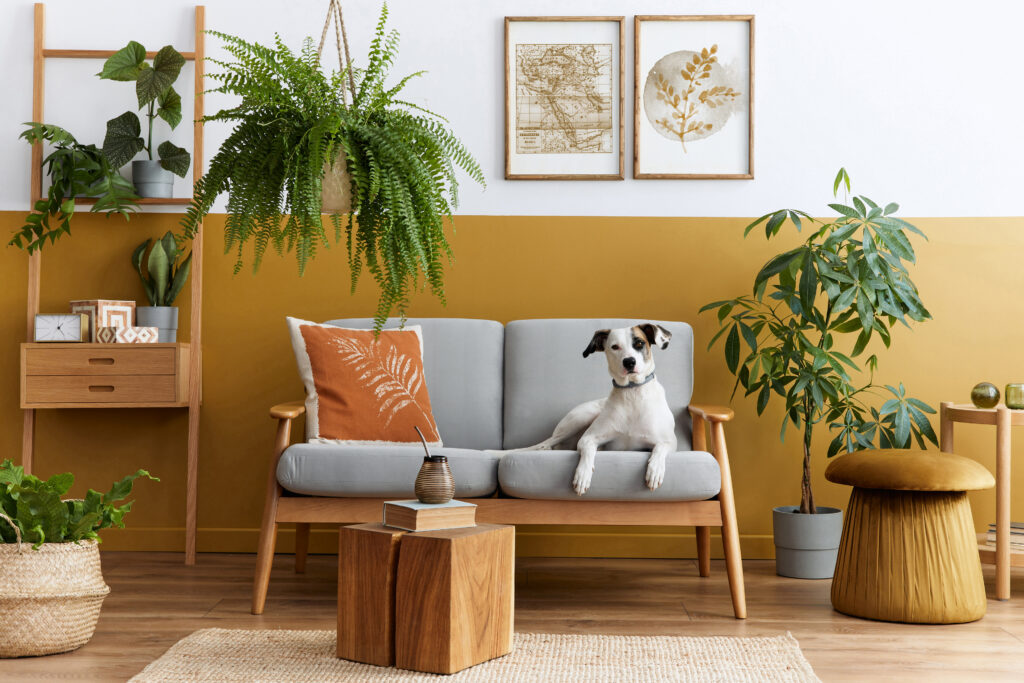
Finding Dog-Friendly Plants In Australia
At Glow Groom™, we believe that a dog’s health isn't just about how you upkeep their coat, but what they interact with in their daily environment. Our philosophy has always been holistic; we look at the internal and external factors that contribute to a happy, healthy pet. Just as we advocate for Glow Groom™ to prevent those pesky red stains, we also encourage owners to look at their backyard and living rooms as the foundation of well-being.
Creating a garden with pet-friendly plants in Australia is about more than just aesthetics. It’s about ensuring that your furry friends can explore, sniff, and play without a trip to the emergency vet. In this guide, we’ll explore the best flora for your home, the dangers to avoid, and how your garden choices might even be linked to your dog’s tear stain health.
The Safe List: Popular Dog-Friendly Plants in Australia
Australia’s climate allows for a stunning variety of greenery, but not all of them play nice with paws. Many pet owners find themselves wondering at one time or another, ‘What plants are dog-friendly?’ When choosing the perfect plant, you want something hardy enough to survive a wagging tail but gentle enough to be generally safe if brushed against or sniffed.
Indoor Plant Greenery
For those looking to brighten up their indoor space, there are several stunning dog-friendly indoor plants that won't cause worry. What makes a plant pet-friendly is the fact that it doesn't contain any nasty chemicals or irritants that could easily upset your dog's tummy or skin. These non-toxic plants are basically "all clear" for a curious sniff or a cheeky nibble:
Spider Plant:
The spider plant is an absolute Aussie favourite; it’s incredibly hardy and thrives in a hanging basket
Parlour Palm:
A classic for a reason. This indoor plant thrives in low light and is entirely non-toxic.
Prayer Plant:
Known for its striking foliage that folds up at night, it is a great choice for a shelf with indirect light.
Peacock Plant:
A beautiful, pet-safe member of the Calathea family that adds a tropical touch.
Baby Rubber Plant:
Unlike the actual Rubber Tree (which is toxic), the Peperomia Obtusifolia has glossy leaves that are safe for pets.
Air Plants:
These unique additions to the plant world require no soil and are safe if a dog decides to bat them around.
Iron Plant:
Practically indestructible and safe, making it ideal for high-traffic areas.
Rattlesnake Plant:
Another stunning Calathea variety that is safe for curious pets.
Boston Ferns:
Most ferns in this family are safe, though you should avoid "sharp-tipped" palms or the toxic Sago.
Outdoor Plant Classics for the Aussie Garden
If you don’t want to have to worry about your dog traipsing through the garden, these dog-friendly plants outdoors pass the sniff test, including some much-loved native plants.
Camellias:
In the garden, camellias are a staple of Australian suburbs, offering beautiful blooms.
African Daisy:
These backyard dog-friendly plants provide vibrant ground cover that handles the Australian sun with ease.
Ponytail Palm:
A quirky, safe addition to any deck that loves the sun.
Bottlebrush (Callistemon):
An iconic Aussie native that attracts bees but is safe for dogs to brush against.
Lilly Pilly:
A versatile native hedge that comes in many varieties; dogs love to snuffle in their dense foliage.
Westringia (Native Rosemary):
Extremely hardy and safe, often used for structural hedging.
Kangaroo Paw:
A quintessential Aussie plant that is both striking and non-toxic.
Lomandra (Clumping Grasses):
These low strap-leafed plants are great for dogs to sniff around in.
Bromeliads:
These are low-maintenance, visually stunning, and safe to keep in a pot on the patio.
The Warning List: Plants to Definitely Avoid
While we want our gardens to be lush, some of the most common plants in Australia are actually poisonous to our pets. Identifying these plants is the first step in proactive pet parenting.
Highly Toxic & Dangerous
- Sago Palm: One of the most dangerous plants in Australian gardens. Every part, especially the seeds, is highly toxic and can lead to liver failure.
- Lily: Many varieties, particularly the Peace Lily and Calla Lily, can cause severe irritation.
- Azalea & Rhododendron: These contain toxins that can cause digestive upset and even heart failure if eaten.
- Oleander: Extremely common in AU as a hedge, but every part of this tree is lethal to dogs.
- Yesterday, Today, and Tomorrow (Brunfelsia): Popular for its purple flowers, but the seeds are incredibly toxic and can lead to symptoms causing seizures.
- Wandering Jew (Tradescantia): A notorious "itchy" plant in Australia that causes severe skin harm and allergic reactions.
- Dracaena: Often confused with Cordylines, but these are toxic and should be avoided.
- Ivy: Many trailing vines like English Ivy can cause vomiting and skin rashes.
Note: It is important to remember that this list is not exhaustive, and many others exist that could pose a risk. The reality is that for dogs, the data simply doesn't exist to rule all plants in or out definitively. As a general rule of thumb, almost any plant can be toxic if enough of it is consumed.
The Doggy Deli: Dog-Friendly House Plants They Can Chew On
We know that some dogs are "grazers." They love the texture of grass or the crunch of a leaf. Instead of fighting their natural instincts, why not provide a designated "safe zone"? That’s why it’s so important to choose dog-friendly house plants to keep your furry friend safe.
- Wheatgrass: A classic. It’s easy to grow and provides a safe outlet for dogs who love to chew on greens.
- Rosemary: A hardy shrub that is safe for dogs (though it may make them smell like a lamb roast!).
- Dill & Parsley: These herbs are safe for dogs and can actually be a great addition to their environment.
By providing these safe, dog-friendly house plant alternatives, you reduce the chance of your dog experimenting with your succulents or orchids.
Emergency Protocol: What to Do If They Chew Something Bad
Even with the best intentions, curious pets can sometimes get into trouble. If you suspect your dog has ingested a toxic plant, time is of the essence.
- Identify the Plant: Take a photo or a sample to show the vet.
- Monitor Symptoms: Look for drooling, vomiting, or lethargy.
- Act Fast: Don't wait for "visible" signs of distress. Even if they seem okay in the spring sunshine immediately after eating a leaf, toxins can take time to process.
- Contact a Professional Immediately: Call your local vet or an emergency animal hospital. In Australia, you can also contact the Animal Poisons Helpline (1300 869 738) for immediate advice on whether a specific plant requires an urgent clinic visit.
The Environmental Connection: Plants and Tear Stains
This is where the garden meets grooming. Many owners are surprised to learn that the "weepy eyes" they see in their dogs aren't just a cosmetic issue; they can be a reaction to environmental stressors like pollen or other irritants.
The Allergy Connection
Just like humans, dogs can suffer from hay fever. Pollen from certain flowers or contact with specific garden irritants like Wandering Jew can cause an inflammatory response. When a dog’s immune system reacts to these allergens, it can lead to excessive tearing. This moisture, when sitting on the fur, becomes a breeding ground for yeast and bacteria, resulting in those deep red or brown stains.
Glow Groom™: Supporting from the Inside Out
While choosing dog-friendly outdoor plants helps reduce the physical irritants in their immediate area, you can also support your dog’s ability to handle these stressors internally.
But how does it work? Glow Groom™ is designed to work in harmony with your pet's system. By providing a unique blend of plant and herbal extracts, it helps support the immune system to manage the underlying causes of excessive tearing. If your dog is constantly reacting to the pollens in the summer air, their eyes may overproduce tears as a defence mechanism. Our supplement helps minimise that unsightly staining by addressing the issue at the source, rather than just bleaching the fur. We also always recommend identifying the cause of the irritant and removing it from your home.
A Holistic Approach to a Happy Dog
At the end of the day, a dog-friendly home is a happy home. By selecting friendly plants and being mindful of the allergens that can lead to health and grooming issues, you’re taking a massive step toward long-term wellness. To keep your garden healthy and pet safe, it's important to keep an eye on what's growing in it and how your pup is interacting with it!
Remember, grooming starts with health. A clean face and a stain-free coat are often the results of a balanced diet, a safe environment, and the right internal support. Taking care of your dog's life and environment is a year-round job that pays off in wagging tails and bright, clear eyes.
Would you like us to help you find more ways to keep your dog’s coat looking its absolute best? Explore our range of natural supplements at Glow Groom™ and see the difference a holistic approach can make.

 © 2026 | Glow Groom Australia