
Cat Tear Stains Explained
Most cats have stunning eyes, famously one of their best features. But if your cat has a lighter coat, you may be noticing a persistent stain plaguing their inner corners. These dreaded pet tear stains are the bane of every pretty kitty and their owners who try every trick in the book to remove them.
At Glow Groom, we believe that our tear stain supplement is the best product on the market to remove tear stains and prevent their occurrence for good. We also strongly encourage every cat owner to investigate the cause of their cat’s tear stains.
Below, we outline why cat tears occur, how to get rid of cat tear stains, potential underlying problems, and how to control excess tear production and eliminate and prevent tear stains in the long term.
What Are Cat Tear Stains?
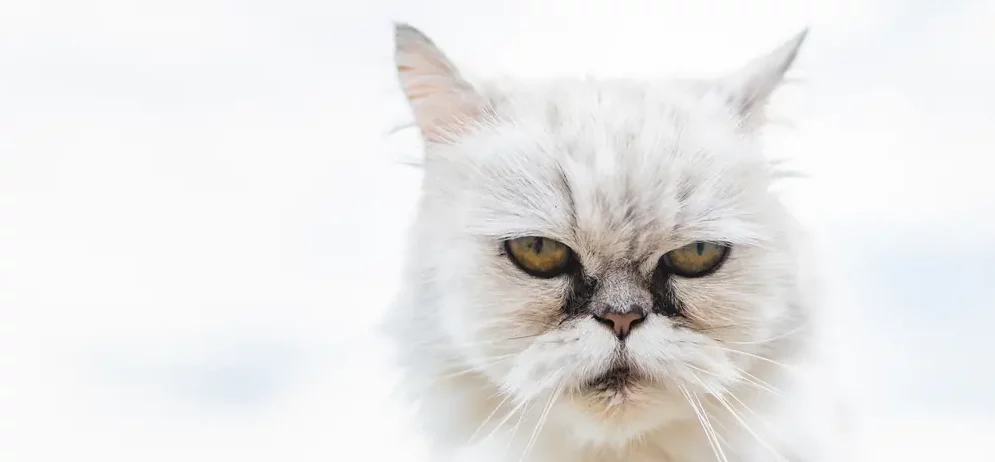
We’re often asked ‘Why does my cat have tear stains?’. Tear stains are the reddish-brown marks that often appear just below a cat’s eyes. They form when your cat’s natural tears mix with bacteria, pigments, and debris, leading to visible discolouration on the fur. While a small amount of moisture around the eyes is normal, developing tear stains can become stubborn over time because the wet environment allows bacteria to thrive and the pigments to set into the fur. This is why they’re notoriously tricky to remove and why pet owners often find themselves battling the same stains again and again, despite regular cleaning.
Quick Facts About Cat Tear Stains:
- “Epiphora” describes a type of excess tear production which usually occurs in certain breeds of cats (usually exotic types)
- Tear staining usually appears as reddish brown streaks on your cat’s face
- Teeth, ears, gums AND eyes should be checked regularly
- Keep facial hair tidy and maintain hair inside the ears
- Keep ears and eyes as dry and well-groomed as possible
- Protect your cat’s eyes when shampooing
Symptoms of a Tearing Cat
Are your cat’s eyes watering excessively? If you suspect your cat has a tear stain problem, there are several signs to look out for. Commonly, because of excess tear production, they will have wetness on their face, especially around their eyes. This can often lead to a build up of discharge, which results in stains on their fur.
Watch for signs like:
- Persistent wetness or damp fur around the eyes
- Frequent pawing or rubbing of the face
- Crusty, clumpy, or sticky eye discharge
- Irritation or redness around the eyes
Causes of Excessive Tear Stains in Cats
It is normal for your cat to have a certain amount of moisture (tear film) on their eyes. However, tear stains are caused by excessive tear production, which is the result of several different health factors. Below, we provide a detailed outline of what these factors could be, from blocked tear ducts to diet, to allergies or infection:
Genetics (Your Cat May Just Be A Crier!)
Cat breeds with larger eyes and shorter muzzles (usually exotics) may have insufficient tear drainage or poor eyelid function. This is because their facial anatomy makes it difficult for tears to drain properly; hence, the ongoing build-up of tear stains around your cat’s eyes could simply be a breed-related trait.
May Be Caused By Ear Infections
A build-up of hair in your cat’s ears can leave it vulnerable to infection. With infection comes a compromised immune system, and a greater risk of excessive tearing from a cat’s eye closest to the infected ear. To remove hair, pluck gently with tweezers or trim inside the ears with blunt-nosed scissors (used for babies’ nails). You can also ask your groomer to do it for you.
Feline Upper Respiratory Infection
Often, cat tear stains are due to a cat’s watery eyes brought on by an upper respiratory infection. If your cat is displaying typical cold symptoms, similar to that of a human, such as sneezing, watery eyes and a runny nose, they are likely suffering from a cat cold or feline upper respiratory infection. Many cat colds will clear up within a week without veterinary care. However, if your cat’s symptoms persist or get worse within a few days, make an appointment to see your vet.
Teething
When your kitten first experiences teething, tear stains may become an issue. Teething often coincides with hair growth, which may protrude into your kitten’s eyes. This can cause irritation and excessive tearing.
As their adult teeth push through, the structure of your kitten’s face and mouth is also likely to change, placing the tear ducts under greater pressure and causing minor insufficient drainage. Consequently, excess tears may increase, even if they have had no prior existing tear stains.
In general, teeth or gum problems in cats are likely to increase the risk of tearing and staining.
Allergies
If a cat’s eyes are exposed to allergens, they may produce extra moisture to try and flush them out. Typical allergies that can affect tearing in cats may be smoke, wind, perfumes, pollen, heating and air conditioning. Try to avoid exposing your cat to these substances. Be mindful of allergens in cat-washing products, like shampoos, as this can also cause allergic reactions.
Water
In many areas, tap water has a high mineral content. If your cat drinks tap water, and splashes it around their face and eyes, the minerals in the water can stain and breed bacteria.
Food
One of the best cat tear stains remedies for your pet is a balanced diet. Diet plays a big role in removing tear stains and cat eye discharge. Dry food, which is free of preservatives, fillers or additives can improve their resistance to inflammatory reactions, and therefore act as one of the vital tear stain removers. Check your cat’s food for meat pulp and artificial colours, as this can stain the mouth area. A limited-ingredient diet often greatly reduces the issue, while also able to improve gut health.
Fleas
Wetness around the face can become a breeding ground for fleas. This is because fleas need moisture to survive. With fleas, comes the tendency for your cat to scratch excessively around their facial region, which creates a greater risk of irritation and infection. Treat problems with the appropriate flea shampoo for your cat or kitten.
Cat’s Blocked Tear Ducts
As we mentioned before, some breeds of cat have issues with tear drainage. And when tears aren’t draining properly, this can lead to a blocked tear duct (or ducts). Blockages will further exacerbate tear runoff, and need to be treated by a vet.
How to Maintain Your Cat’s Eyes and Prevent Tear Stains
Once you’ve addressed any underlying health issues, maintaining your cat’s eyes is key to preventing future staining. There are several ways pet owners can manage tear stains and keep their pet’s eyes healthy:
- Glow Groom Tear Stain Supplement: Our premium supplement is the BEST and most effective solution to reduce tear stains, tackling the issue at the source while supporting overall eye and fur health.
- Use pet-safe wipes to gently clean your cat’s eyes daily, helping to keep the pet’s face clean and reduce bacterial build-up.
- Offer purified or filtered drinking water in a metal bowl to minimise mineral residue that can worsen staining.
- Train your cat to drink from a dripping water bottle, which can limit wetness around the eyes and prevent bacterial growth that may lead to skin irritation or skin infection.
- Keep fur around the eyes trimmed and dry after washing or grooming, which helps prevent moisture from settling and staining the coat.
What To Do When You Notice A Sudden Increase In Tearing
If your cat's eyes’ weeping is concerning you and you worry they’re experiencing “epiphora”, we recommend you visit your vet ASAP. Epiphora in cats can influence tear flow, increased tear production or eye function. The treatment may vary, depending on the underlying issue. If your cat’s watery eyes don’t clear up, be sure to take them to a vet for a thorough examination.
Why Common At-Home Remedies Aren’t Effective
Pet owners often try quick fixes for cat watery eyes and stains, but not all are safe or effective:
- Witch hazel, boric acid, or hydrogen peroxide may seem like easy solutions, but they can irritate the eyes and surrounding skin if not used carefully. They also don’t address the root cause of the stains.
- Cleaning with warm water can help remove some surface debris, but it won’t tackle the underlying cause of staining.
- Persistent cat eye tear stains may signal medical issues, so it’s important to consult your vet before relying solely on home remedies.
For long-term results, using a supplement like Glow Groom alongside gentle cleaning is the safest way to manage tear stains effectively, especially without causing your kitty discomfort!
Keep Your Cat Healthy With Glow Groom
If you’ve ensured your cat’s overall health with the help of a veterinarian, ruling out any underlying causes of tearing and staining, you are ready to start using Glow Groom’s tear stain remedy. This will ensure the long-term nutrition and wellbeing of your cat, eliminating bacteria and tear stains at the source. Glow Groom is the best cat tear stain remover on the market, and we are proud to help felines around Australia look their shiny-bright best.
How Glow Groom Cat Tear Stain Remover Works?
We're often asked, How does Glow Groom work? Glow Groom works from the inside out to help avoid tear stains by addressing the underlying causes of excess moisture around your cat or dog’s tear-stained eyes. It's a natural blend of plant and herbal extracts that supports your cat’s immune system, helping the body heal itself while keeping your pet's fur looking clean and bright. Unlike quick fixes, Glow Groom gradually reduces tear staining at the source, promoting long-term eye and coat health rather than just masking the problem. The dosage instructions are easy to follow and apply to cat snacks, particularly for felines who can be highly suspicious of what they are eating.

 © 2026 | Glow Groom Australia