What Plants Are Toxic To Dogs In Australia
Common Toxic Plants: The Australian Pet-Parent’s Guide to a Safe Garden
At Glow Groom™, we believe a dog’s well-being is a puzzle where every piece matters, from the quality of the kibble they gobble up to the shrubs they snuffle through in your yard. Our philosophy has always been holistic; we look at the internal and external factors that contribute to a happy, healthy pet. Just as we advocate for Glow Groom™ to prevent those pesky red stains, we also champion a "safety-first" approach to your home’s plant choices.
Australia is home to some of the world’s most stunning flora, but for a curious pup, the backyard can be a minefield. Understanding what plants are toxic to dogs is the first step in creating a sanctuary where your best friend can sniff and zoom without risk. In this guide, we’ll explore the common green culprits found in Aussie gardens and how these environmental factors impact your dog’s overall health and grooming.
The "Caution List": Common Australian Plants to Avoid
Many of the most popular choices at the local nursery are, unfortunately, poisonous plants for our four-legged family members. While some cause a simple tummy ache, others can be life-threatening. Identifying plants toxic to dogs in your immediate vicinity is a proactive step every owner should take for the health of their furry friend.
High-Risk Backyard Residents
What Garden Plants Are Toxic To Dogs?
Sago Palm (Cycas revoluta):
A staple in many coastal Australian gardens, this is perhaps one of the most dangerous plants you could own. It is extremely toxic, and the seeds are the most toxic part, containing cycasin, which can lead to permanent liver failure.
Oleander:
Often used for privacy screening along Aussie suburban fences, every part of the oleander shrub is highly toxic. Even a very small amount of a stray leaf can lead to an abnormal heart rate and, in severe cases, death. Yesterday, Today, and Tomorrow
(Brunfelsia):
Famed for its changing purple-to-white flowers, the berries and seeds are a major concern. If a pet eats these, they may suffer from tremors or seizures.
Macadamia Nuts:
While we love them in our shortbread, they are strictly off-limits for pups. Ingestion can cause weakness in the back legs, abdominal pain, and vomiting.
Lantana:
Deemed as a weed in many parts of QLD and NSW, lantana is considered a significant hazard due to its liver-toxic triterpenoids.
Common Indoor Poisonous Plants
What Indoor Plants Are Toxic To Dogs?
Peace Lily:
A beautiful gift plant, but if chewed, it releases calcium oxalate crystals that cause intense mouth pain and skin irritation.
Aloe Vera:
This is a cactus-like plant often known for its healing qualities. While humans use the gel for burns, it is commonly found in homes where owners don't realise that the plant's saponins can cause vomiting and diarrhoea in pets.
Mother-in-law's Tongue (Snake Plant):
Virtually indestructible, but it contains saponins that cause gastrointestinal upset if your dog decides to have a "cheeky nibble."
Fruit Salad Plant (Monstera Deliciosa):
The ultimate "Instagram plant," but it is considered toxic because those same sharp oxalate crystals can cause swelling of the tongue and throat.
Fiddle Leaf Philodendron:
A common sight in Aussie lounge rooms, this plant can cause significant oral irritation and difficulty breathing if the throat swells after chewing.
Devil’s Ivy (Pothos):
Often confused with branching ivy, this trailing plant is a moderate irritant that can cause drooling and vomiting.
A Note on Toxicity Variation:
It is important to remember that while lists like this provide a vital foundation, they are not an exhaustive list of what plants are toxic to dogs in Australia. The natural world is complex, and for many species, the specific data regarding canine toxicity levels simply doesn't exist. As a general rule of thumb, most plants in the garden can cause mild symptoms if consumed in large amounts. Every dog is an individual; what causes a slight itch for one might lead to kidney damage in another. While most plants are generally safe in passing, always monitor your furry friends closely when introducing new greenery to your home.
Emergency Protocol: What to Do in a Plant Poisoning Crisis
Accidents happen, even to the most diligent pet parents. If you suspect your dog has ingested something they shouldn't have, your reaction time is critical.
- Identify the Culprit: If you can, safely take a photo of the plant or grab a small cutting to help the vet immediately identify the toxin.
- Assess the Symptoms: Check for dilated pupils, a decreased appetite, or excessive thirst. More severe signs include rapid breathing or an elevated heart rate.
- Do Not Wait: Some toxins, like those in the Sago palm, cause "silent" liver damage that doesn't show up for days. By then, it may be too late.
- Professional Help: Contact the Australian Animal Poisons Helpline or your local emergency clinic. Never attempt to induce vomiting at home unless specifically instructed by a veterinarian, as some substances can cause more damage coming back up.
Plants Safe For Dogs: The "Yes" List
We don't want you to have a concrete backyard! There are plenty of pet-friendly plants that allow you to have a lush, green space without the worry. Keeping your pets safe is about making informed swaps:
- Native Classics: Swap Oleander for Bottlebrush or Lilly Pilly.
- Hardy Groundcovers: Instead of Wandering Trad, try Native Violet or Creeping Boobialla.
- Indoor Greenery: Trade your lilies for a Spider Plant or other common varieties like a Boston Fern.
- Safe Textures: If your dog loves to chew, provide a dedicated pot of Wheatgrass or Rosemary.
By choosing plants safe for canine companions, you’re creating an environment that supports their natural instincts to explore and forage without the risk of a high toxicity level.
Beyond the Tummy: The Link Between Plants and Tear Stains
At Glow Groom™, we often speak with owners who are frustrated by stubborn red or brown stains under their dog's eyes. While genetics play a role, the environment, including many plants that produce fine pollen, can be a massive contributor.
The Allergy Connection
When a dog is exposed to a toxic or irritating plant, even if they don't eat it, their body can go into an inflammatory overdrive. Many common Australian plants, such as the "itchy" Wandering Trad or certain flowering wattles, release pollen or oils that trigger a hay-fever-like response.
This allergic reaction causes the eyes to over-produce fluid to flush out the irritants. When this moisture sits on the fur, it becomes a breeding ground for yeast and bacteria, resulting in those deep red or brown stains. This is a common issue for both dogs and cats, though the staining is often more visible on our canine companions.
How Glow Groom™ Supports Your Dog
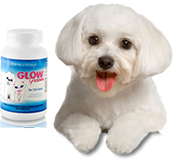
Our supplement is designed to work from the inside out. By supporting the immune system and providing a unique blend of herbal extracts, Glow Groom™ helps your dog’s system manage the inflammatory "overflow" caused by environmental stressors. While you work on removing the plants toxic to your pet from the garden, we work on ensuring their internal system isn't overreacting to the allergens that remain in the air. A holistic approach means a clean garden and a clean, stain-free face.
Cultivating a Holistic Life
A dog’s health is a reflection of their entire world. When we remove the "bad" and reinforce the "good", whether that’s through a safe garden or a daily dose of Glow Groom™, we give them the best chance at a long, vibrant life.
Most dogs will encounter a problematic plant at some point, but with your newfound knowledge, you can mitigate those risks. Remember, grooming isn't just about the brush and the bath; it’s about a clean environment and a supported immune system. When the eyes are clear and the coat is bright, you know you’re doing something right.
Would you like us to help you further tailor your dog's wellness plan?
Explore our range of holistic supplements at Glow Groom™ and discover how we can help your pup shine from the inside out.

 © 2026 | Glow Groom Australia